

Pitching Your GoSH Innovation
Your Idea Matters. Now Let's Help People Understand It.
A pitch is a short, clear explanation of your idea. It helps people understand the problem you are solving, why your solution matters, and why they should care.
In the real world, pitching happens all the time. People pitch ideas at work, in business, at uni, in community projects, in job interviews, and when they are trying to get support, funding, investment or cold hard cash for something they believe in.
You do not need to be loud, fancy or super confident to pitch well. You just need to be clear.
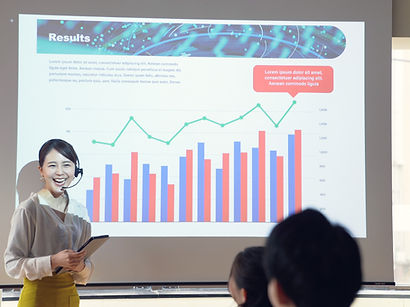
What is a Pitch Deck?
A pitch deck is a short slide presentation that helps you explain your idea.
Think of it as the visual backup for your pitch. It should help your audience follow your thinking without making them read a giant wall of text.
A good pitch deck does not need to have 47 animations, tiny writing or every single thought you have ever had. In fact, please don’t do that.
Listen to Your English Teacher Yapping
Hear us out! Your teachers tell you about structure and format when writing, right? Well if you follow these steps with your deck, you'll have a clear message and you might even take out some prizes. We've provided a full length and GoSH length pitch deck layout below.
At GoSH, you only have 3 minutes to pitch so we recommend a short version of the pitch deck below. The most important slide numbers are: 1 -the hook, 2 -the problem, 4 -the opportunity, 6-your solution, 9-the impact, 12-the ask
The GoSH 3 Minute Mic Drop
0:00–0:20 Hook and team
0:20–0:55 Problem
0:55–1:20 Why it matters / opportunity
1:20–2:05 Solution
2:05–2:35 Why it’s different / impact
2:35–3:00 Ask and final message
Build Your Own Pitch Deck
Got time for a longer presentation? Maybe an assembly or award appplication? Her's a full-length pitch layout that you can use.
01
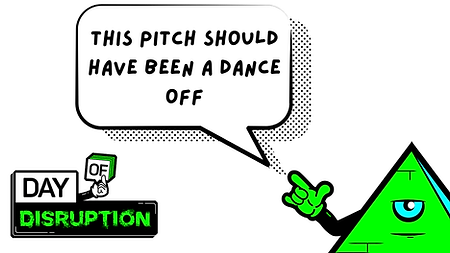
the hook
Get people interested straight away.
This could be a big statement, a surprising fact, a bold question or something that makes people laugh. Your first slide should make the audience think, “Okay, I’m listening.”
02
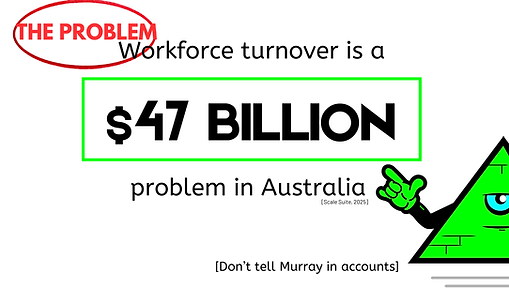
introduce the problem
What problem are you trying to solve?
Keep it simple and specific. Do not try to solve everything on Earth before lunch.
Try to answer:
-
What is happening?
-
Who is affected?
-
Why does it matter?
-
What makes this worth fixing?
.png)

03
show us why it is a problem
This is where you explain why people should care.
What happens if the problem continues? Who loses out? What gets harder, more expensive, more unfair, more stressful or more broken?
This is where you move from “here is a problem” to “this problem actually matters.”
04
identify the opportunity
Good innovators do not complain about problems. They spot opportunities.
Your opportunity might be:
-
a more efficient way to do something
-
a way to help people
-
a way to help the planet
-
a new use of technology
-
a clever way to change behaviour
This is the “what if we could…” part of your pitch.

05
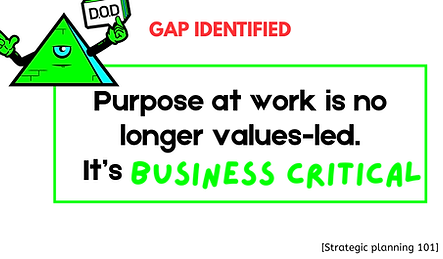
the gap
The gap is what is missing right now.
Maybe people already know the problem exists, but no one is solving it properly. Maybe current solutions are too expensive, boring, hard to access, not youth-friendly or just not working.
A strong gap slide helps your audience understand why your idea needs to exist.
06
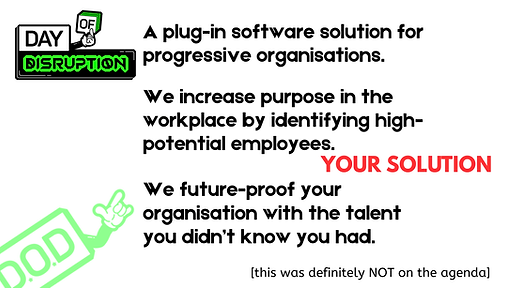
BAM! your solution
Now bring in your idea.
What have you created? How does it work? Who is it for?
Try not to overload this slide. Your audience should be able to explain your solution back to someone else after hearing it once.
Use a simple sentence like:
Our solution helps [who] to [do what] by [how].
is
07
.png)
point out your unique value
This is where you tell us why your solution is more useful, clever, practical or better than what already exists. Your unique value might be:
-
it is easier to use
-
it is environmentally friendly
-
it is designed by young people
-
it is more inclusive
-
it uses local knowledge
-
it solves more than one problem
This is your “why us?” moment.
08
your testing or evidence
Have you tested the idea? Asked people? Built a prototype? Sketched it? Researched the issue? Spoken to someone affected by the problem?
You do not need to have a finished product. You do need to show that your thinking is not random.


09
the impact
A startup company would talk about how much dollar-bucks they might make. At GoSH, we look at the impact using the UN Sustainability Goals. You might also tell us:
-
how many regional people benefit
-
how much carbon would be reduced
-
amount of animal habitat saved
-
impact on cost of living for families
-
how much natural resources saved
This is where you help the audience see the bigger possibility.
10
introduce your team
Time for some aura farming.
You can include:
-
team name
-
team members
-
roles
-
lived experience, e.g. regional young person
You do not need to pretend you are a multinational company. You just need to show why you care about the problem.

11
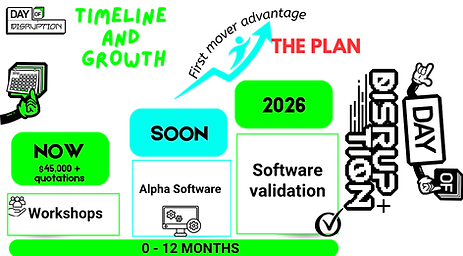
your plan
What would happen next? Sharing next-steps makes your idea feel real.
This could include:
-
building a prototype
-
testing with users
-
talking to experts
-
improving the design
-
asking for feedback
12
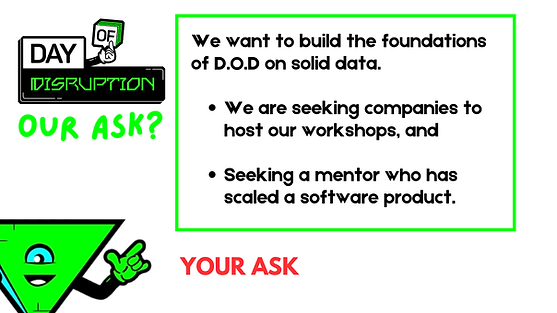
your ask
This is where pitching becomes very real-world. In life and workplaces, people pitch because they need something: support, equipment, or yes, sometimes cold hard cash.
Your ask might be:
-
mentor support
-
school support
-
an introduction to an expert
-
funding
-
help building the prototype
Do not be shy. This is your moment.
13
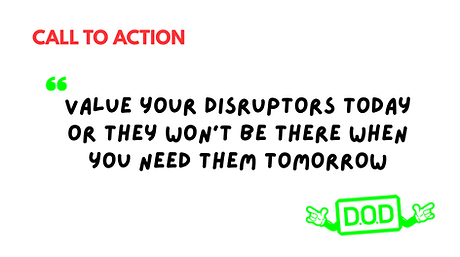
call to action
End with a strong final message.
What do you want people to remember?
Your final slide should leave the audience with a clear takeaway, not just “thanks” floating sadly in the corner.